
How a 10 km water system connection is bringing fresh and safe water to 6,080 people in Nyundo 1 and Nambahu villages.
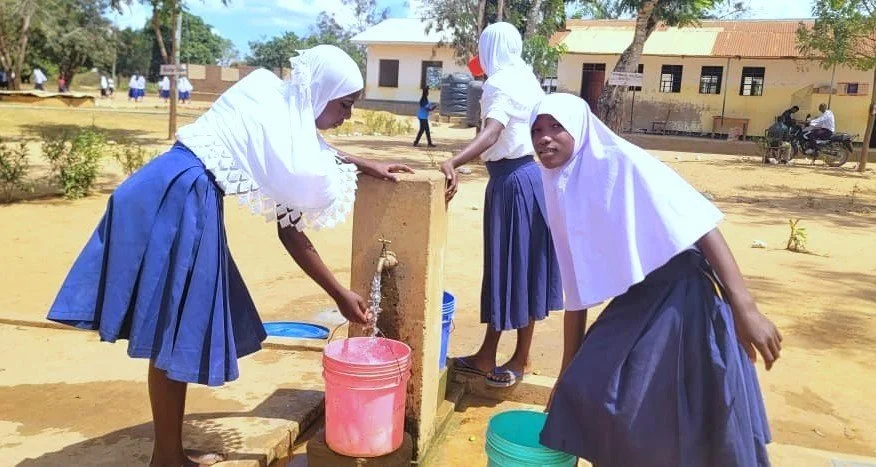
Pupils at Nyundo I primary school accessing clean and safe water in the school premise utilizing learning hours effectively as the result of DMDO investments
Summary:
Reconnecting the Nyundo 1&Nambahu water scheme to a fresh water source has turned an underused, saline water supply system into safe, year-round drinking water for about 6,080 people. This case study follows one household to show how the investment is translating into better health, higher farm yields and greater spending on education.
Background: From salty water to fresh water
In April 2024, the DMDO completed a piped water scheme designed to serve about 6,080 people in Nyundo 1 and Nambahu villages. However, the borehole drilled for the scheme yielded moderately saline water.
The salty taste limited uptake, was not palatable for drinking, hardship in washing clothes and bathing. Communities used the taps mainly in the peak dry season, when no alternative was available, and returned to other sources during the rainy season.
To address this, the DMDO connected the scheme to a fresh water source in Mikongi village, about 10 km away. Communities now have fresh water that is safe to drink, pleasant in taste and suitable for cooking, washing and farming.
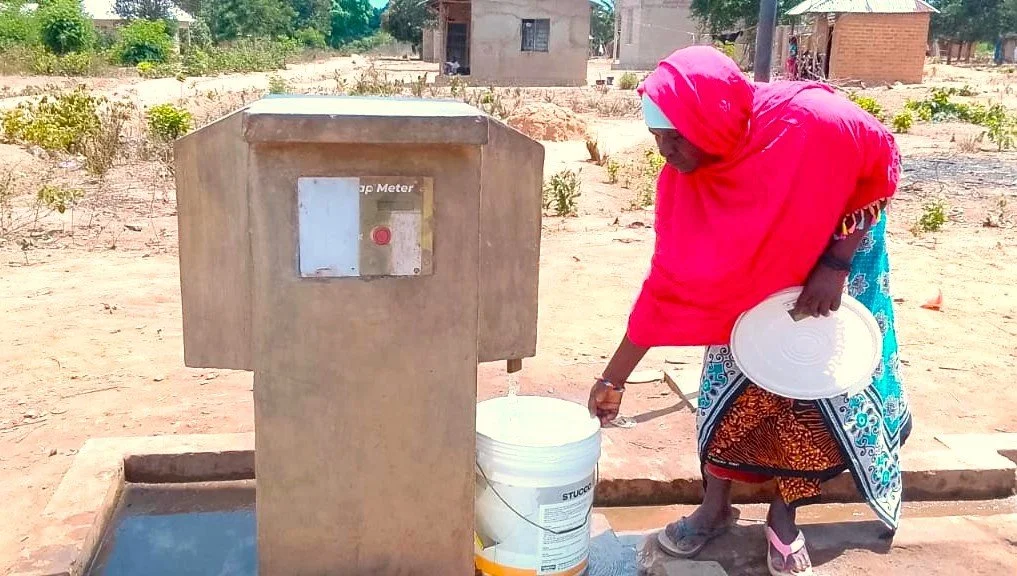
Fresh water is made available, Somoe fetching water from the water public tap
Meet Somoe,
Somoe Hasani Malimanga (aged 55), lives in Nambahu village, Mandwanga ward, Mtama District Council. She is a mother, a grandmother and a cashew farmer. She has a household of six: Herself, her husband and four children, two of whom are her grandsons. All four children are in school.
Before the intervention: Buying fresh water per bucket(20Ltrs)
""For us, having fresh water is like a story we never thought we would live." Somoe.
Before the freshwater connection, households relied on water delivered by bowser trucks to get fresh water and if no money uses salty tap water. Vendors poured it into underground storage wells and sold it at TSh 1,000 per 60 litres, a significant recurring cost for rural families.
This water was untreated. Somoe reports that it frequently caused stomach pains in her household, and that diarrhea cases were common in the community as majority continued drinking unsafe water due to having salty water from the taps.
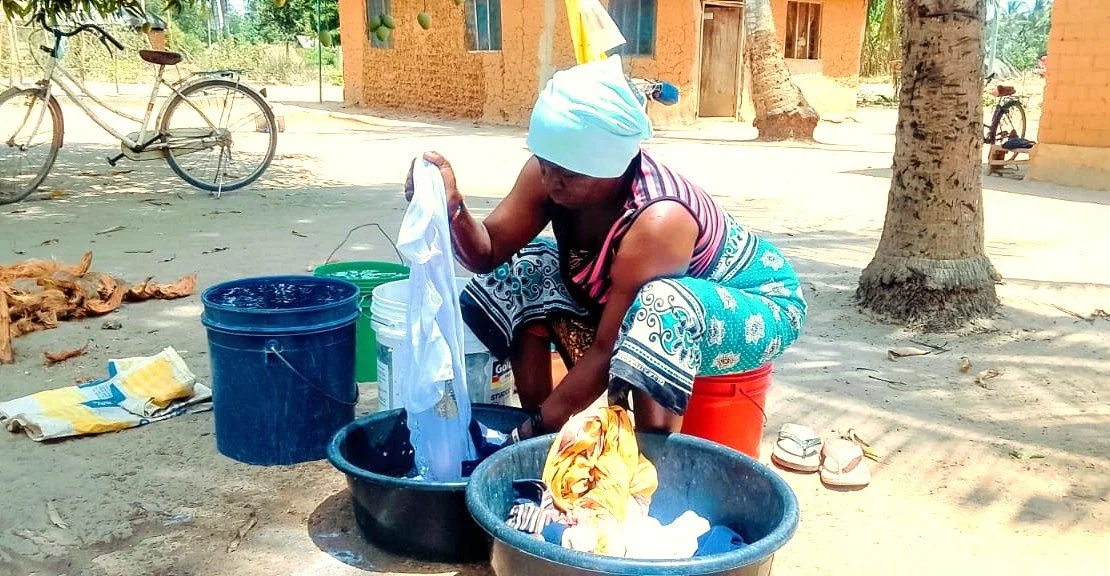
Domestic duties made easier : Somoe washing clothes at home with fresh water which reacts better with washing soaps.
Results: what fresh water has changed
Health. Safe piped water has replaced untreated bowser water for drinking. Somoe reports that the stomach illnesses and diarrhea her family previously experienced have declined.
Household income. Money previously spent on purchasing water is now retained by the household with 1000TZS now can get 400Ltrs of fresh water instead of 60Ltrs . Somoe uses these savings to contribute for school needs and to meet other daily needs.
Agriculture. Reliable access to water enables Somoe to mix and apply pesticides to her cashew trees. Her yield increased from 300 kg to 700 kg this season.
Education. With water closer to home and savings freed up, the household is investing in its children's education: one at university, one entering secondary school in 2027 and two in primary school.
Looking ahead.
Somoe now plans to establish a vegetable garden using piped water. This is expected to reduce household spending on vegetables and improve the family's nutrition.
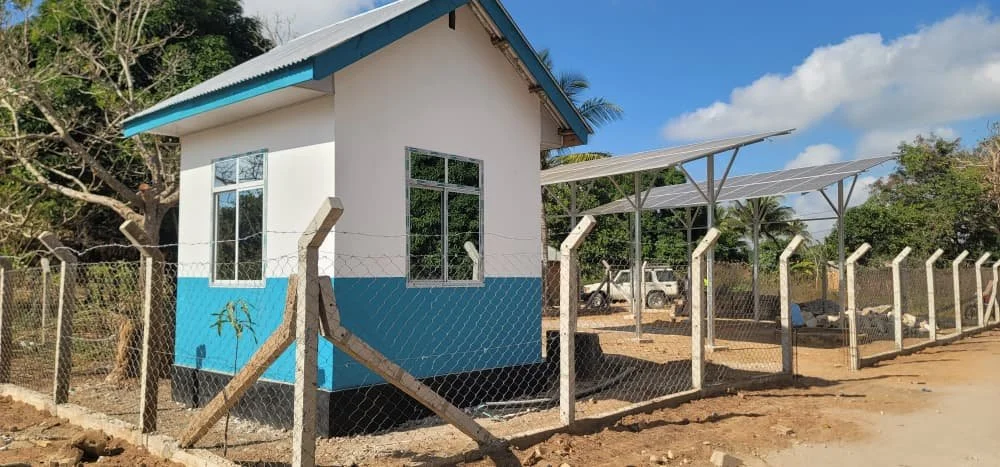
The developed borehole and pump house at Mikongi village with fresh water using submersible water pump with solar power as clean energy and reducing CBWSO operating costs
Why this matters:
Somoe's experience shows how a single targeted investment, resolving a water quality problem, can generate benefits well beyond water access: improved health, higher agricultural productivity and greater investment in education.
Continued partner support can extend these gains to more households in Nyundo 1, Nambahu and neighbouring villages, and help secure the long-term sustainability of the scheme.
