Household Water Connection: Transforming the Maimuna Abdalah’s Family in Lukala Village
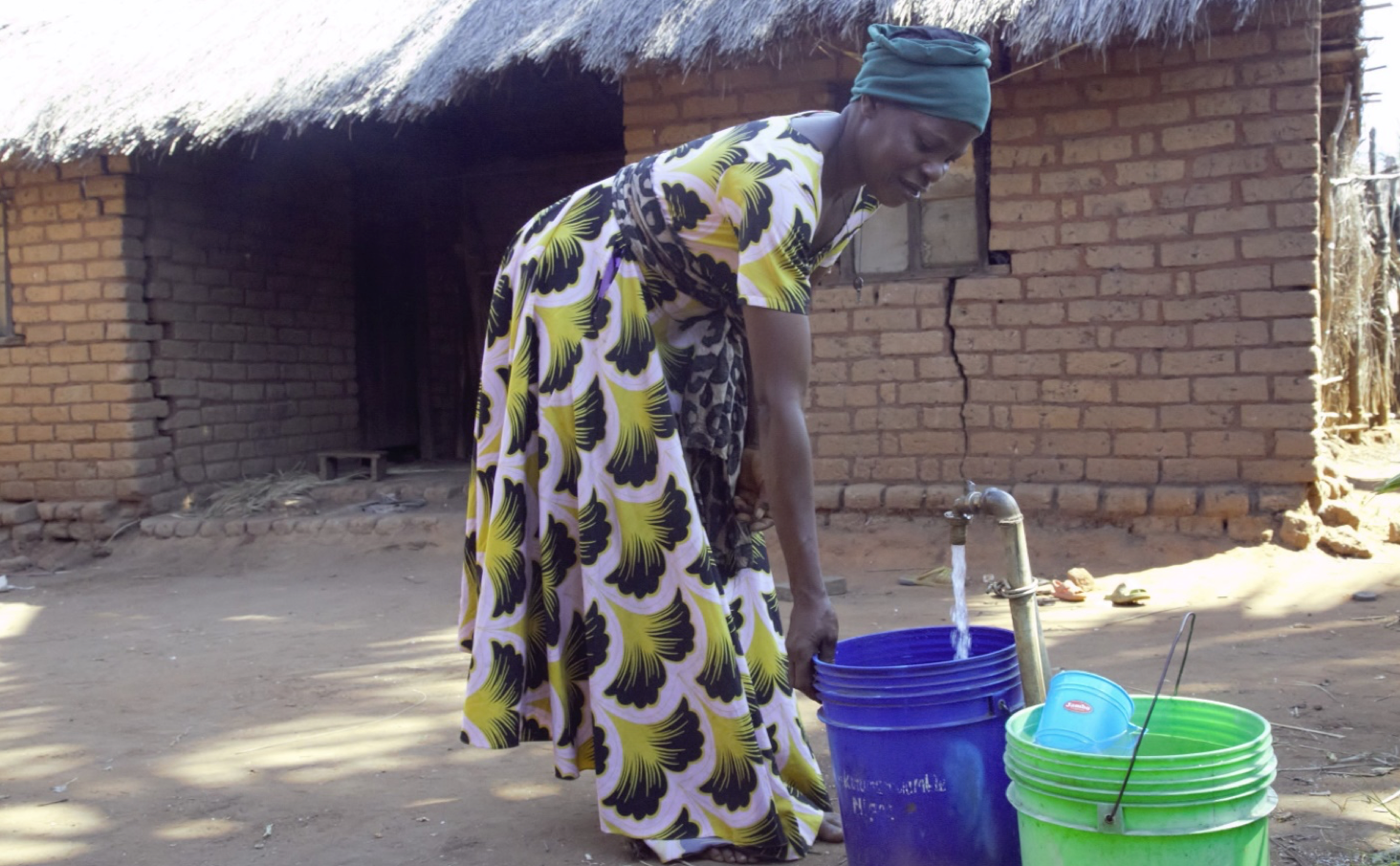
Maimuna Abdalah fetching water from the tap at her home.
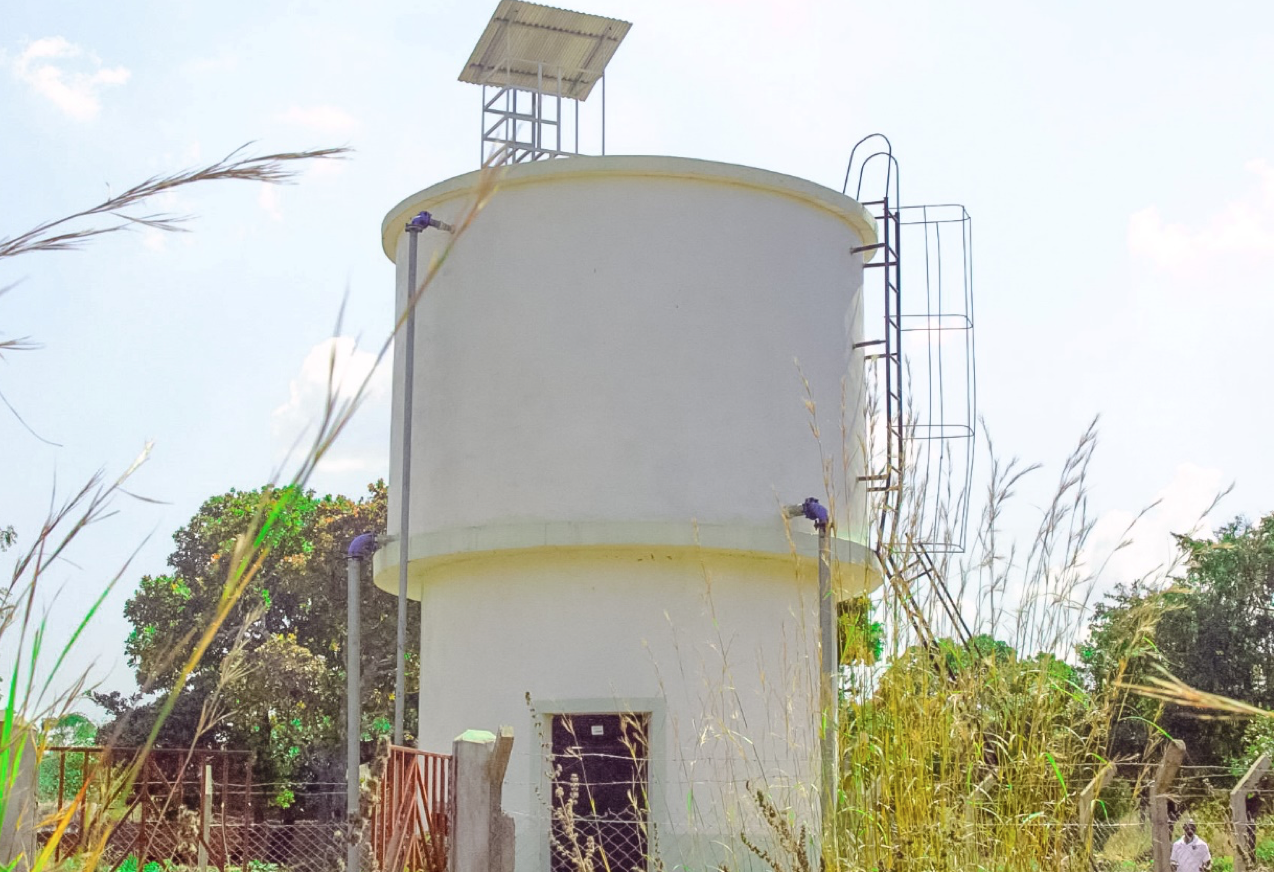
The Lukala water storage tank with capacity of 50,000 litres
Until recently, daily life for Mama Maimuna Abdalah, a 42-year-old mother of seven in Lukala Village, was shaped by a one-kilometre walk to a spring that supplied untreated water. The journey consumed time and energy, and the water itself carried clear health risks. “We used to walk for a kilometre every day to the water spring. By the time we came back, we were already exhausted, and the water was not even safe. Sometimes my children suffered from stomach illnesses because of it,” she recalls. Limited supply also forced strict rationing, affecting hygiene, education and the family’s ability to allocate time to productive work such as rice and maize farming.
Phase 1: Introduction of Safe, Clean Water (2021)
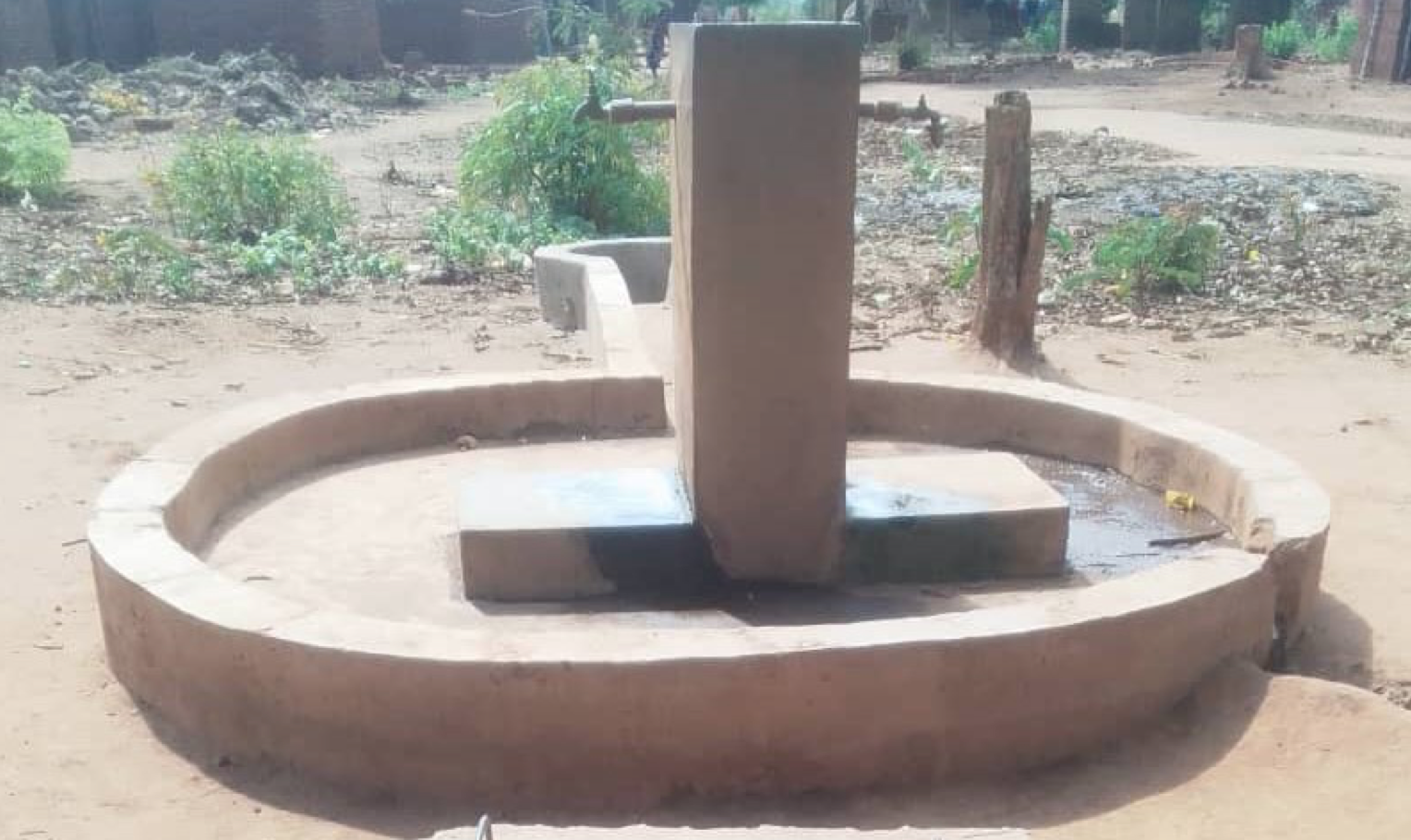
A public water distribution point in Lukala village
In 2021, DMDO supported Lukala Village to install public water distribution points. This reduced the family’s collection distance from 1,000 metres to roughly 100 metres and, critically, shifted the water source from an unprotected spring to treated, safe supply. The impact was immediate. “When the distribution points were built in the village premise life became easier, we saved time and energy by accessing water nearby, my children stopped being late for school and we started using cleaner water,” Maimuna explains.
Phase 2: Household Connection (2023)
Two years later, Maimuna elected to connect directly to the network, investing approximately USD 135 for pipes, fittings and a post-paid meter. “We decided to bring water right to our home. Now, we fetch water just outside our door and we use enough water without rationing. My family consumes about 100 litres a day, and we have more time to focus on our farms of rice and maize instead of wasting hours finding water.”
The data corroborate this pattern: households with on-premises supply typically increase water use substantially, with measurable gains in hygiene, school attendance and household productivity. This has been the case for Maimuna’s family. Consumption now exceeds 100 litres per day and the time previously spent collecting water has been reallocated to farming, contributing to higher productivity and greater food security.
Metering and Billing Dynamics
The household currently uses a post-paid meter, read monthly by the CBWSO. The system provides visibility into usage trends, but it also presents well-documented challenges across rural water schemes. Monthly billing can be difficult for households when liquidity is tight, and unexpected bills may lead to delayed payments. These dynamics affect both the household and the financial performance of community-managed systems.
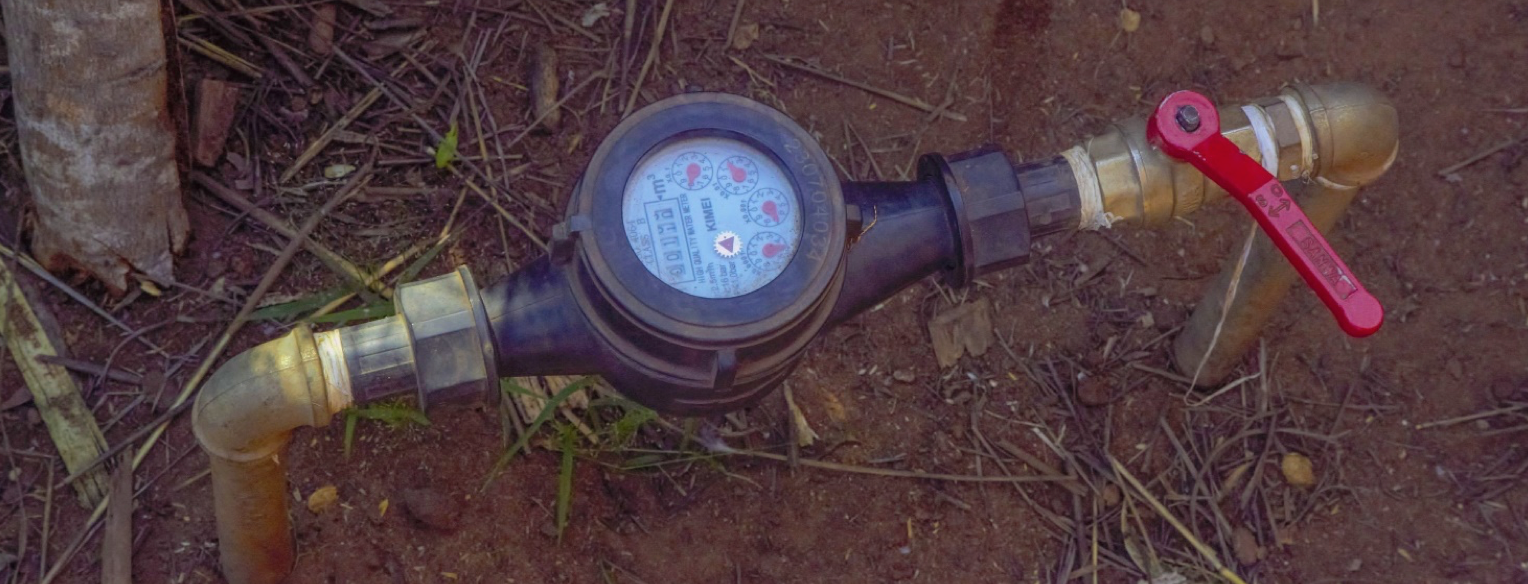
Postpaid water metre at Mamuna’s household connection.
For this reason, DMDO is progressively introducing prepaid metering, which removes the risk of arrears, improves cash flow for water systems, and gives households clearer control over expenditure. Maimuna’s experience illustrates the benefits of household connection while also underscoring the limitations inherent in post-paid infrastructure.
Prosperity Flows Where Water Flows
At 42, Maimuna’s case demonstrates a consistent pattern observed across DMDO’s work: access to safe and reliable water reallocates household time, improves health, stabilises school attendance and supports small-scale agricultural output. Her experience highlights how targeted investment in rural water infrastructure can remove binding constraints on household welfare and local economic activity.
DMDO remains committed to expanding safe water access and upgrading systems with prepaid technology, ensuring that families like Maimuna’s can sustain these gains and contribute to long-term, community-level development.